What daily life feels like
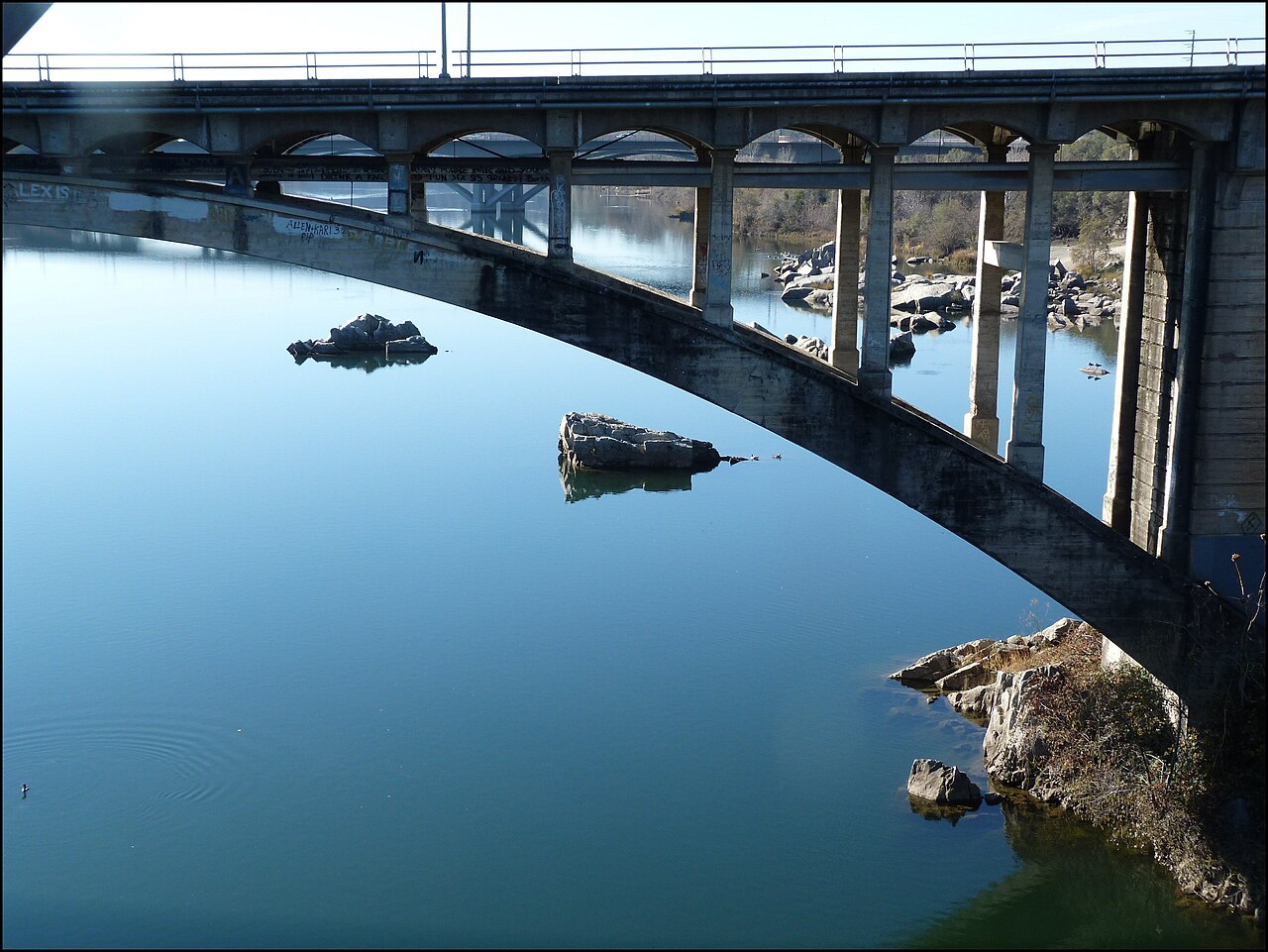
Folsom is a city built around water. Folsom Lake borders it on the north and east, Lake Natoma stretches along its western side, and the American River runs below the old town. Daily life leans outdoors: the paved trail network follows the lakes and the river, connects neighborhoods to the water, and continues west along the American River toward Sacramento. People plan weekends around the lake and weekday evenings around the trails.
The Historic District on Sutter Street is the city's original center, brick buildings and a small town main street that now holds restaurants, shops, and a farmers market. Across town, the Palladio at Broadstone is the regional shopping center. Between those two anchors is a fully built suburban city with its own identity, distinct from Sacramento and distinct from the foothills above it.
The homes and the land
Folsom's housing comes in clear generations. Near the Historic District and along the river are older neighborhoods with smaller homes on established streets, some dating back decades before the boom. The large master planned areas, including Empire Ranch and the Broadstone area, brought the wide suburban streets and production homes most people picture. Gated sections exist in parts of Empire Ranch.
The newest chapter is Folsom Ranch, the large planned area south of Highway 50, where construction is ongoing and new neighborhoods are still opening. Lots in Folsom are suburban almost everywhere. Acreage is rare inside the city and usually means looking at its rural edges or east toward Cameron Park and Shingle Springs.
Getting around
Highway 50 crosses the south side of Folsom, with interchanges at East Bidwell Street, Folsom Boulevard, and Scott Road. Downtown Sacramento is about twenty five miles west, roughly half an hour in light traffic and longer in the morning commute. Folsom is also the eastern end of the SacRT Gold Line light rail, with stations at Historic Folsom, Glenn, and Iron Point, which gives commuters a rail option into downtown Sacramento that most foothill towns do not have. Inside the city, East Bidwell and Folsom Boulevard carry most daily trips.
Questions buyers ask me
Who employs people in Folsom?
The Intel campus is the name everyone knows, and it anchors a broader base of technology, health care, and professional offices in and around the city. Many residents also commute to Sacramento or work remotely. When we tour, we will time the actual drive to your actual workplace, not the map estimate.
What is the lake access like?
Folsom Lake State Recreation Area wraps the lake with boat launches, beaches, and trailheads, and Lake Natoma is the quieter water below the dam, known for rowing and paddling. Access is a season pass and a short drive from most neighborhoods, and it shapes how people here spend their free time.
Is new construction still available?
Yes, mainly in Folsom Ranch south of Highway 50, where builders are still releasing phases. New construction here comes with the usual tradeoffs to examine carefully: Mello-Roos assessments, build timelines, and what the base price does not include.
How is Folsom different from El Dorado Hills next door?
Folsom is an incorporated city with its own services and a lake at its center; El Dorado Hills is an unincorporated master planned community in the hills above it. Buyers cross shop them constantly. The honest differences are setting, housing age, and how each town is governed, and a drive through both settles it faster than any description.
Thinking about Folsom?
Folsom rewards buyers who decide which Folsom they want first: historic, established suburban, or brand new. Call me at 916.524.3535 and we will start there.